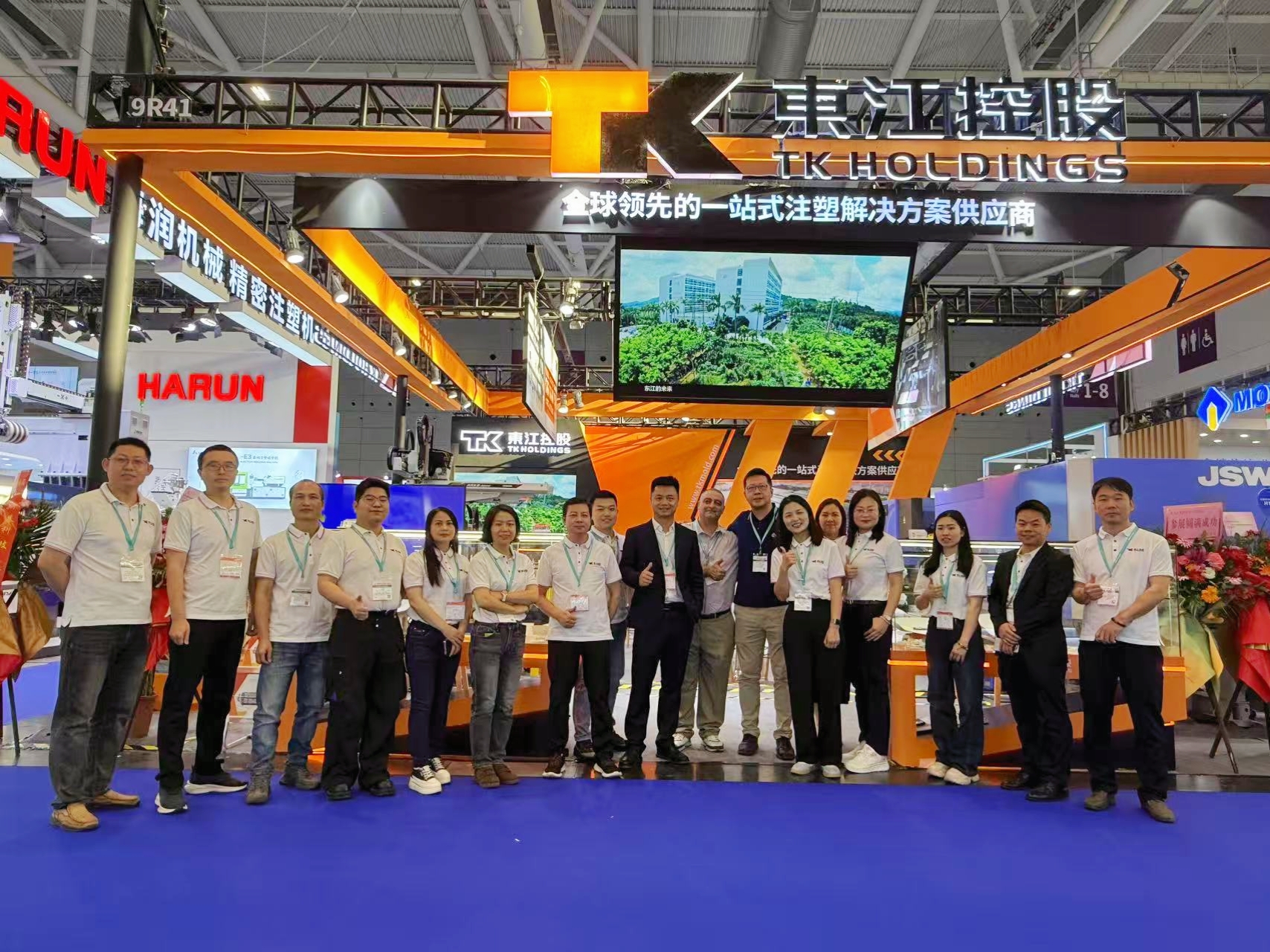
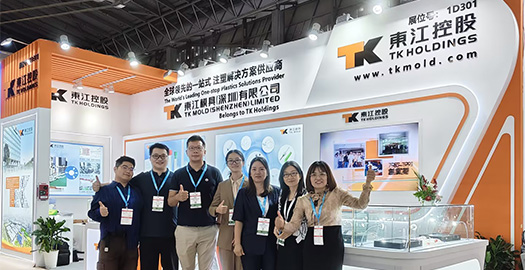
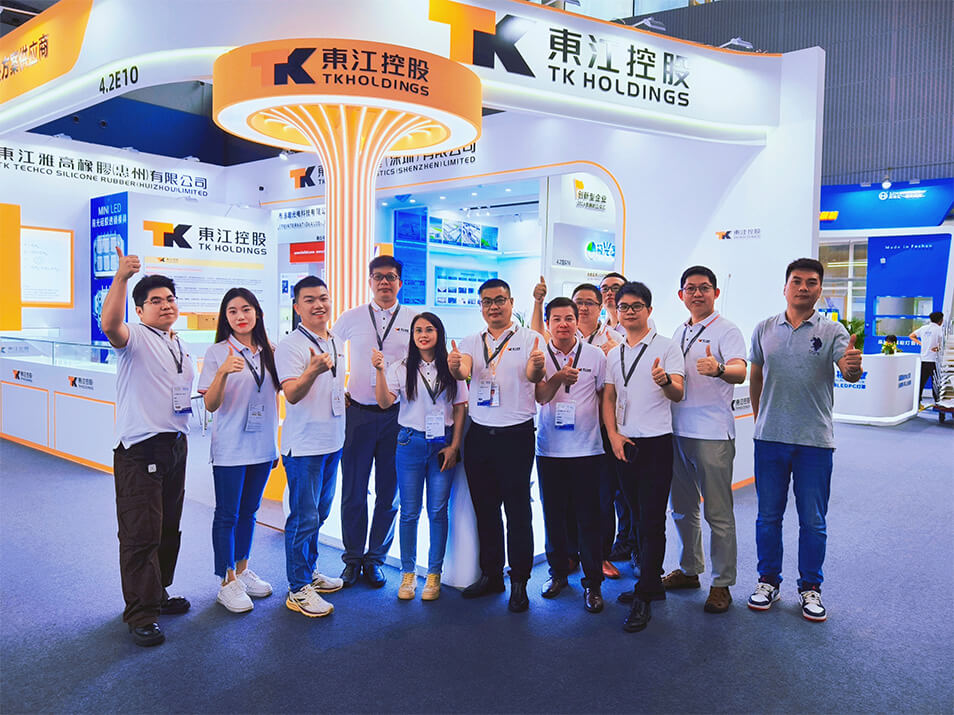
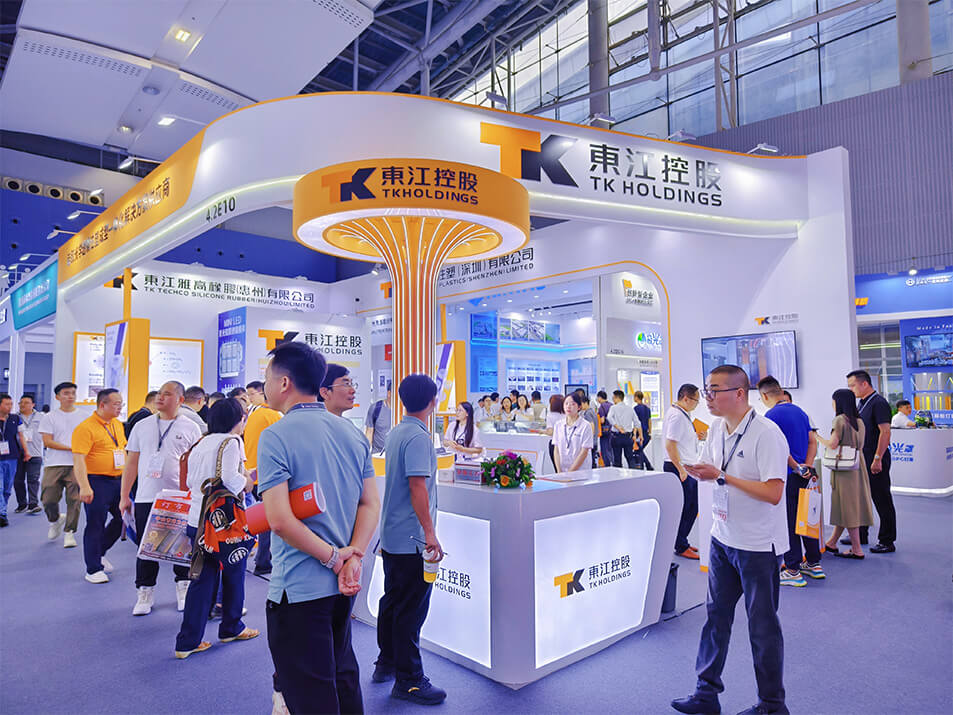
On June 12, 2024, the 29th Guangzhou International Lighting Exhibition (GILE), themed "Light+ Era – Realizing the Infinite of Light", came to a successful conclusion. The exhibition attracted exhibitors from more than 20 countries, with a stunning total of 3,383 companies, an exhibition area of 260,000 square meters covering 26 halls, and over 200,000 visitors (from more than 140 countries and regions), once again setting a new historical record. This was both the end of the 29th GILE and a new starting point for Samudy Yagao's development.
Samudy Yagao has always advanced side by side with industry leaders, working together to enhance the value of light and explore the infinite possibilities of light. Committed to "letting light shine in every direction", we strive to create a harmonious "light aesthetics" environment, create the beauty of light and color in the world, and present a visual feast of "light art". Through this exhibition, we gained a great deal, exchanging rich experience with many peers and customers, opening up business opportunities, and providing valuable market and industry information for the subsequent development of Samudy Yagao. At the same time, the success of this exhibition would not have been possible without the assistance and hard work of various departments, who did their utmost, coordinated closely and overcame one difficulty after another during the preparation process.
1. What are the performance advantages of the optical silicone products exhibited by Samudy Yagao? Compared with traditional optical lenses made mainly of plastics (PC, PMMA) and glass, what are the advantages?
Plastic lenses feature easy molding of complex curved-surface lenses, low cost, easy mass production, high light transmittance (PMMA up to 92%, PC up to 88%), but poor high-temperature and aging resistance, and easy yellowing. PMMA withstands temperatures up to 80°C, and PC up to 120°C.
Glass lenses feature high light transmittance (up to 96%) and good high-temperature resistance, but glass has high density, cannot form complex curved surfaces, and is not easy to mass produce; the cost is high, and glass is brittle, especially for lenses with large thickness variations, which are prone to cracking under rapid high and low temperature changes.
Silicone lenses feature the ability to realize multiple cavity configurations (600 to 1,260 cavities or even more), high production efficiency, high dimensional accuracy, light weight, good shock resistance, light transmittance as high as 94% to 98%, high-temperature resistance from -40°C to 250°C, aging resistance, yellowing resistance, no residual stress, good flexibility, low dispersion, excellent visual effects without fatigue, and excellent hydrophobicity. Their optical stability and consistency are very high, and their service life is long, enabling optical silicone to be widely applied in the lens field.
2. In which main fields are the optical silicone products exhibited by Samudy Yagao applied?
Optical silicone lens products are mainly applied in TV backlighting (MiniLED backlight silicone lenses), automotive AR-HUD silicone lenses, i.e. augmented reality (AR) combined with head-up display (HUD) systems, high-end indoor and outdoor lighting, and silicone lenses for imaging. MiniLED backlight silicone lenses greatly reduce the number of chips used by clients, lowering costs and making expensive MiniLED LCD TVs more affordable – truly more features at the same price. The QD-MiniLED TV X11H supplied to TCL, as TCL's annual flagship product – the ceiling of picture quality in 2024 – achieved an unparalleled 14,112 backlight zones, more than double that of the previous generation X11G. Among mass-produced TVs at the hundred-level, it is the world's only MiniLED TV with ten-thousand-level zones, achieving finer light control and clearer layered picture performance. In peak brightness, TCL X11H reached the industry's ceiling-level XDR 6,500 nits, perfectly reproducing real-world scenes. The all-domain halo control technology carried by the X11H excels in the five key factors affecting halo – the light-emitting chip, LSR silicone lens technology, backlight response algorithm, OD (optical distance) and the screen – and is currently the industry's most advanced technical solution, hailed by the industry as the "MiniLED halo terminator", solving the halo problem that has plagued the TV industry for years. The LSR silicone lens technology on the light-emitting chip is called the "light shaper". The stronger the lens technology, the stronger the light focusing capability and the stronger the halo control capability. This lens technology is applied in the X11H and is known as the "light control lighthouse" ultra-focusing micro lens. Such a lens is added above every MiniLED light-emitting chip to focus energy and perform multiple rounds of light control, gathering the light from the surroundings toward the center and dispersing the central light to the sides, precisely controlling light layer by layer. Compared with ordinary MiniLED, the X11H improves halo control capability by 96% and backlight uniformity by 112%. In optical silicone AR-HUD head-up displays, the projection distance of virtual information cannot be fixed; it must match the positions of real objects so as not to interfere with driving. This places extremely high demands on positionally accurate spatial fusion and "zero-latency" temporal fusion. Therefore, AR-HUD head-up displays require high-precision optical lens matrices and continuous zoom capability, and to achieve a wider field of view and longer imaging distance, larger aspherical reflective lenses are needed. Optical silicone lenses are produced by injection molding in a Class 100,000 cleanroom, ensuring the precision of their optical effects. At the same time, silicone lenses feature low dispersion and superior UV and heat resistance, enabling stable optical performance over long periods in automotive AR-HUD applications without image distortion. The company's latest HUD lens is also under development.
Compared with traditional PC and PMMA, optical silicone lighting lenses have more superior high-temperature resistance, giving them a unique advantage in high-power lighting, as they do not undergo dimensional deformation in high-temperature environments that would alter optical effects. At this GILE, there were many such potential customers, which is a direction we need to further develop.
3. Which industries and customers showed strong interest in the optical silicone products exhibited by Samudy Yagao?
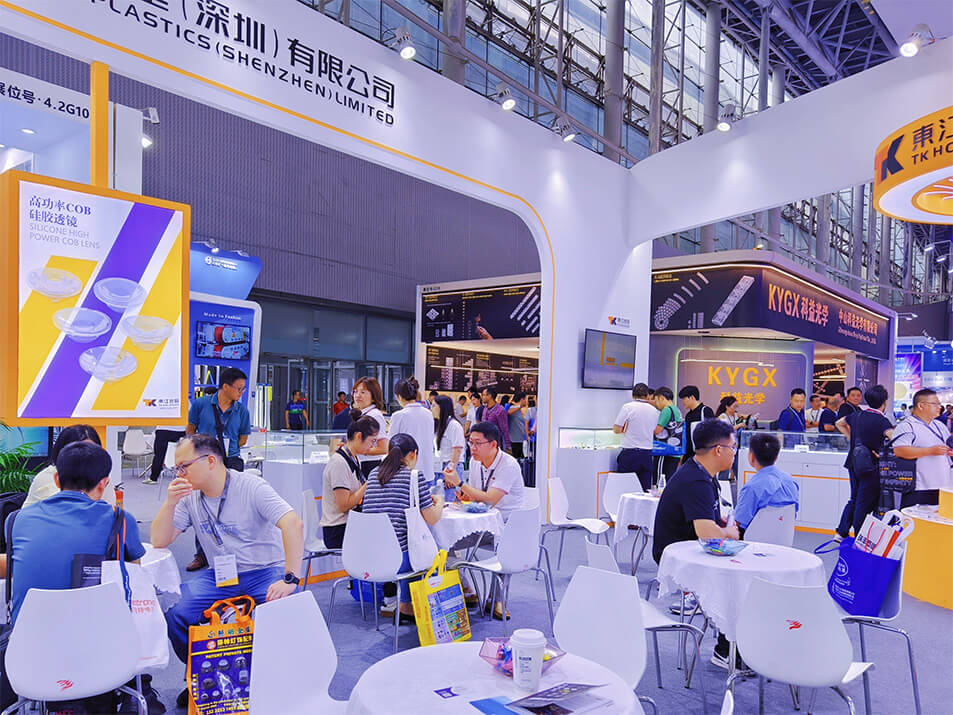
At this exhibition, a large number of potential customers asked Samudy Yagao about the characteristics and application scenarios of optical silicone lenses, and we conducted in-depth discussions and experience exchanges with customers. Currently, potential customers come from various industries, especially specialty lighting, outdoor lighting and panel lights, such as LEDiL, Zhongke Rare Earth (CAS Rare Earth), Ocean's King Lighting, Unilumin, MBI (Minbao Optoelectronics), MLS (Multilayer), Sanxiong Lighting, Sidon Industrial, Foshan Lighting (FSL) and Nationstar. Samudy Yagao is committed to serving global customers with the mission of: "Integrated solution provider of high-end optical-grade silicone lens injection molding". At the intersection of light and the era, GILE bears witness to the infinite possibilities of light; where light and technology converge, we pursue not only technological progress but also the innovation and inspiration brought by light. This exhibition brought great gains to the company: exchanges with customers from many industries enriched our experience, broadened our horizons and opened up business opportunities, providing valuable market and industry information for the subsequent development of Samudy Yagao.


 Business Scope
 Component Solutions